Guide
How to memorialize your pet: 21 ideas that last
By the Framed & Fabled studio team, founded by a professional portrait photographer · Updated September 19, 2026
There is no right way to memorialize a pet, and there is no deadline. Some people need to do something with their hands in the first week; some cannot look at the collar for a year. Both are fine. This guide is a menu, not a checklist. Take the two or three ideas that feel like your pet and ignore the rest.
We make memorial portraits, and we say so where it is relevant below. Most of what follows costs nothing.
In the first days
The first days are for two things: saving what cannot be saved later, and writing down what you will otherwise forget.
- 1. Keep a clipping of fur or a few whiskers. Ask the veterinarian if you are not able to do it yourself; most will, and many will offer a paw print without being asked.
- 2. Take a paw or nose print. Ink pads, air-dry clay, or a salt-dough disc all work. A nose print is the more unusual keepsake and takes thirty seconds.
- 3. Write their story. Not for anyone else: how you got them, the three things they did that nobody else would believe, the way they said good morning. You think you will remember. Write it anyway, this week.
With their things
Their belongings are the hardest objects in the house for a while. Deciding what each one is for helps.
- 4. The collar and tags in a shadow box, with a small photo. This is the classic for a reason: it is theirs, it is small, and it can live on a shelf without taking over a room.
- 5. One thing kept, on purpose. The bowl in the cupboard, the leash on its hook. Choose one item to keep where it was, and let the rest go when you are ready.
- 6. Donate the rest in their name. Shelters take beds, unopened food, crates, and toys, and many will note the donation in memory of a named pet.
With their photos
Photos are the memorial most people already have and do the least with. Three practical things, then the one we make.
- 7. Make the album now. Go through your phone this month, while you still remember which trip was which, and put the best forty photos in one album. Print a small photo book from it; a phone is not a place to keep them.
- 8. Restore the old one. The photo you love most is often the worst one technically: a 2014 phone picture, a scan from a print, a screenshot. Any photo lab or a good phone app can lift a scan; and, honestly, a slightly blurry photo where you can see both eyes is a fine starting point for a painted portrait.
- 9. Frame one photo, unedited, in a plain frame, at eye level in the place they used to lie. Small. It is not a shrine; it is a hello.
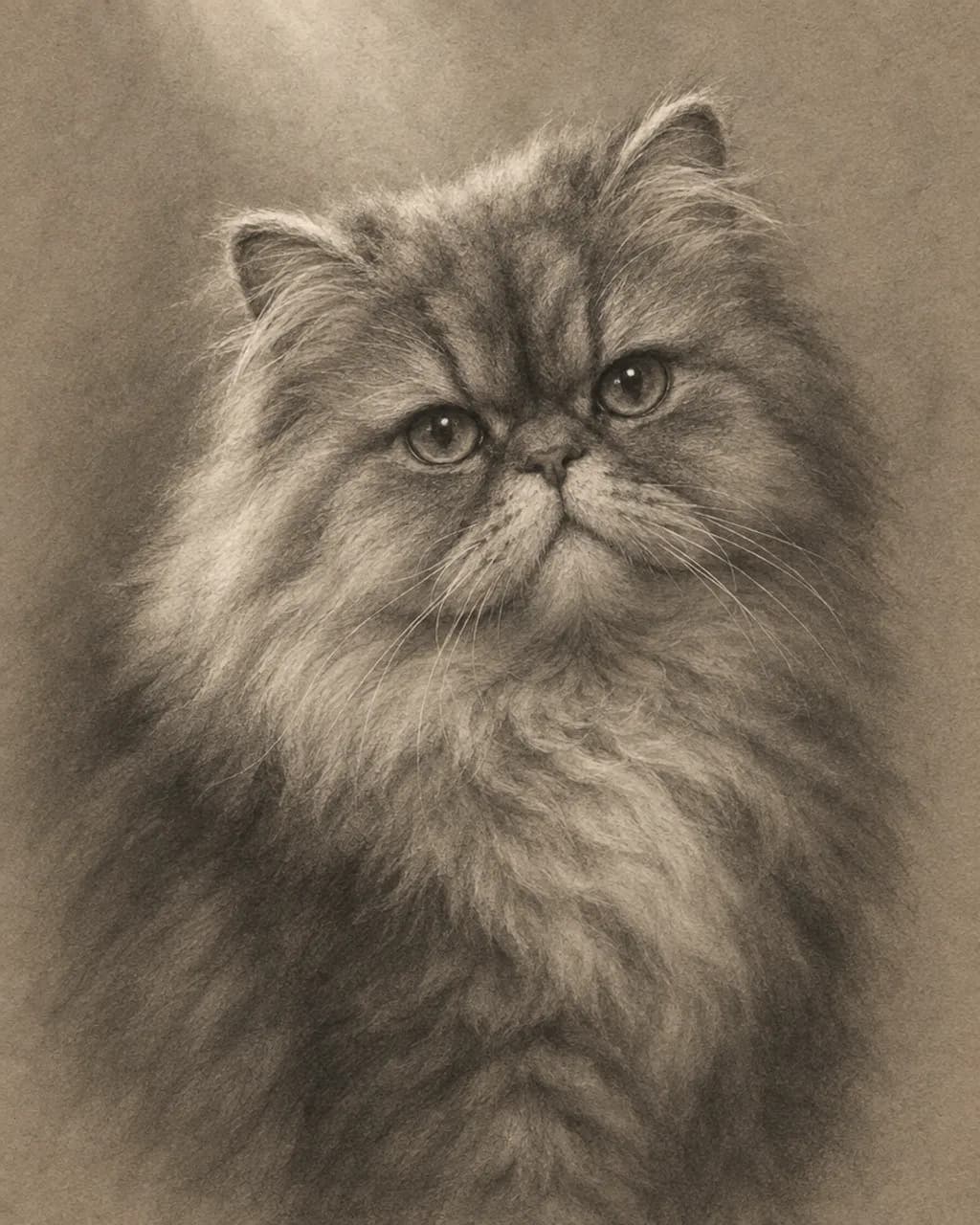
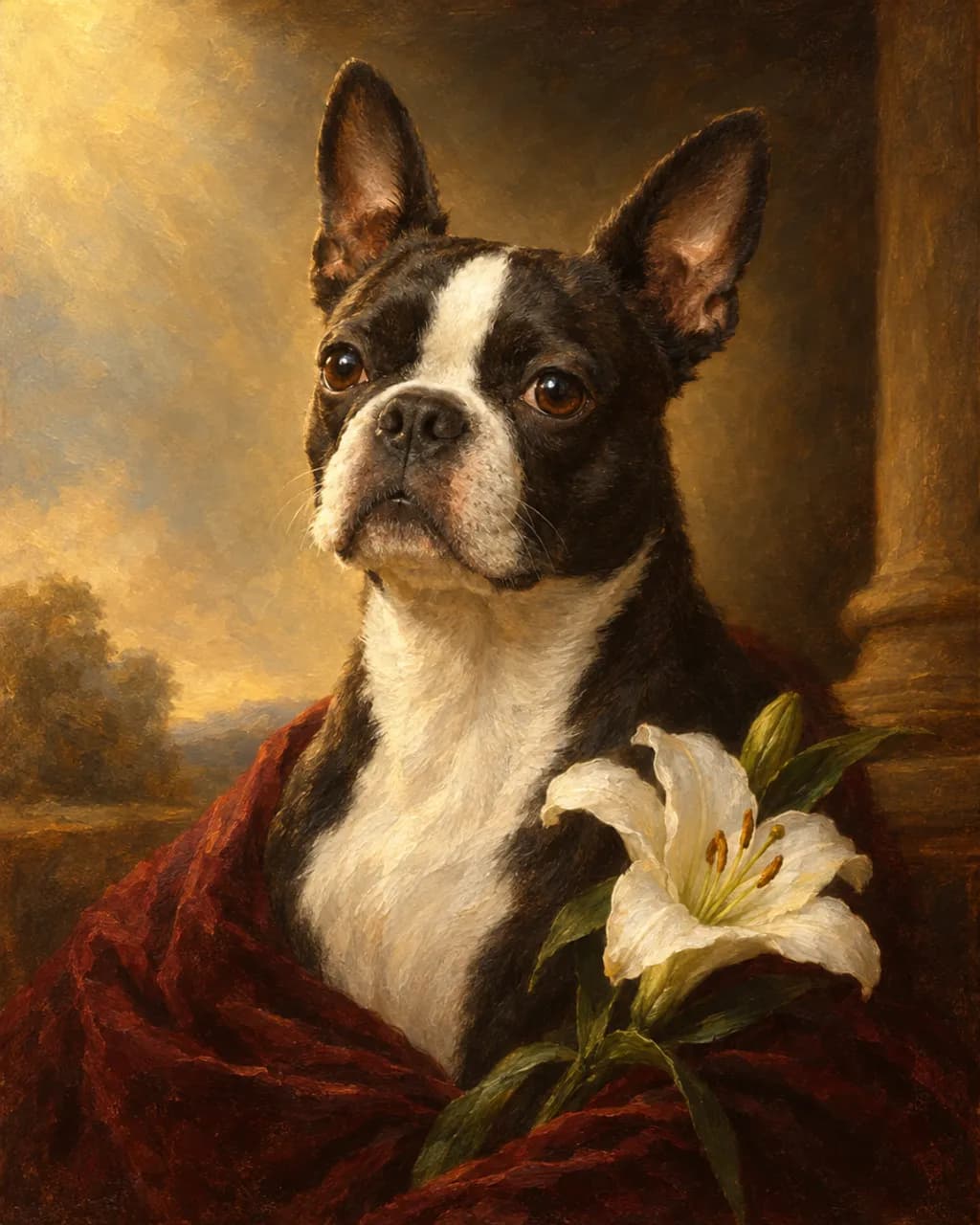
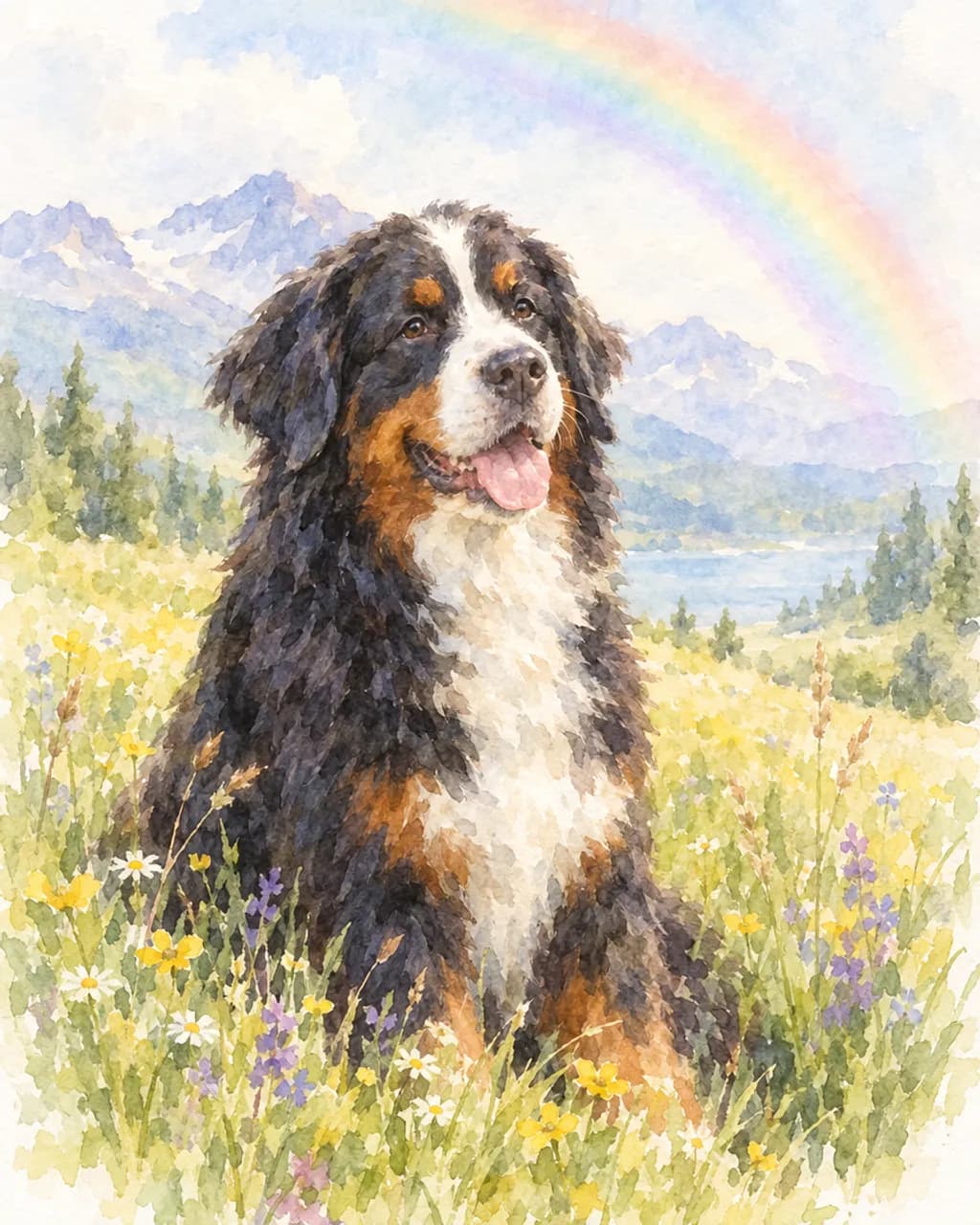
- 10. A memorial portrait, painted from that photo, in a style that fits the room. This is what we make: you upload the photo, see it in about ten seconds, and only then decide. Ours are made from your photo, not a template, so it is their face. Prints from $49.
From the studio: If you are choosing a photo for a portrait, pick the one where they are looking at you. The eyes carry the likeness. Lighting, background, and sharpness matter far less than people expect.

In the home
Small, deliberate, easy to live with.
- 11. A memorial shelf: one photo or portrait, the collar, a candle. Some families add the urn; many keep it elsewhere. Keep it to a shelf, not a wall, so it stays gentle.
- 12. A candle lit on the anniversary, or on the hard evenings. A ritual that takes ten seconds is one you will actually keep.
- 13. Leave the spot. Their corner of the couch, the sunny patch on the floor. You do not have to fill it. Eventually another dog or cat may claim it, or not. Either is fine.
In the garden
Living memorials grow; that is the appeal and the commitment.
- 14. Plant something that flowers when they died, or a tree if you have the space. Pick a plant you can keep alive; a dead memorial rosebush is a second small grief.
- 15. An engraved garden stone, at the spot they used to patrol. Slate and river stone age better than resin.
- 16. A bird feeder or a bird bath, if they used to watch the window. The birds come back every morning; that is the memorial.
Carried with you
For people who want something on them, not in the house.
- 17. Jewelry with their name, a paw print, or a small chamber for fur or ashes. Sterling and stainless wear better than plated metal if you will wear it daily.
- 18. A tattoo. Paw prints and nose prints (scanned from the keepsake in idea 2) are the most common; a line drawing traced from a photo is the most personal. There is no rush; good tattoo artists are booked months out anyway.
Giving back
Grief wants somewhere to go. These give it a direction.
- 19. A donation to the shelter, rescue, or veterinary charity in their name. Most will send a card to whoever you name.
- 20. Sponsor a kennel or a senior animal, or foster, when you are ready. Not as a replacement; because you have the skills and the space and someone needs them. Some people are ready in a month, some in years.
With children
21. Let the children make the memorial. A drawing for the fridge, a memory jar of folded notes, a decorated stone, a short goodbye letter read out loud. Children grieve in bursts and then go play; the making is what helps. We wrote a separate guide on helping a child through the loss of a pet, including what to say by age.
Before they die
If your pet is old or ill and you are reading this early, the most valuable thing you can do is take photographs now. At their eye level, near a window in daytime, phone held steady, twenty or thirty frames, some with you in them. Do not wait for a good day; take them on an ordinary one. Take a short video of them walking and of them breathing while asleep; those are the sounds people miss most.
Ask your veterinarian about a quality-of-life scale and about what the last day can look like, including at home. Knowing the plan makes the plan easier. And take the paw print while they are here; it is gentler for everyone.
From the studio: Portrait photographers photograph old dogs the same way we photograph grandparents: low, close, patient, and in soft window light. Get down on the floor. That angle alone changes everything.
When a memorial is not enough
If the grief is heavier than you expected, that is normal, and there is help that costs nothing: the ASPCA Pet Loss Support line (877-474-3310), the Association for Pet Loss and Bereavement at aplb.org, and many veterinary schools run pet-loss support lines and groups. Your veterinarian can point you to one nearby. If it is affecting sleep, work, or eating for more than a few weeks, talk to a doctor or a counselor. Grieving an animal is real grief.
Styles mentioned on this page
See your favorite photo as a memorial portrait
Upload it, see it in about ten seconds, decide later. Nothing is kept unless you order. Prints from $49.
Unpurchased photos are auto-deleted. Your images are never used for AI training or our marketing.
Questions people ask
How soon after a pet dies should I make a memorial?
There is no right time. Save the things that cannot be saved later (fur, a paw print, the photos in one album) in the first week or two. Everything else can wait months, and many people find the anniversary is when they finally want to do it.
What are good pet memorial ideas for the home?
A single shelf with a photo or portrait, the collar, and a candle; one framed photo at eye level where they used to lie; and a portrait painted from your favorite photo. Keep it to one place so it stays gentle rather than becoming a shrine.
What can I do with my pet’s ashes?
Keep them in an urn at home, scatter them somewhere they loved (check local rules for public land), bury a portion under a memorial tree, or use a small amount in keepsake jewelry or glass. Many families split them so the ashes can do more than one of these.
What can I do with my pet’s fur?
Keep a clipping in a small envelope or locket, have it spun into yarn if you have enough (a service that exists for long-coated dogs), or set a little into a keepsake jewelry chamber. A clipping and a paw print together in a shadow box is the simplest lasting version.
Is it strange to grieve a pet this hard?
No. For many people a pet is the being they spent the most hours with every day for a decade. Grief is proportional to the bond, not to the species. If it stays heavy for weeks, pet-loss support lines and groups exist for exactly this.